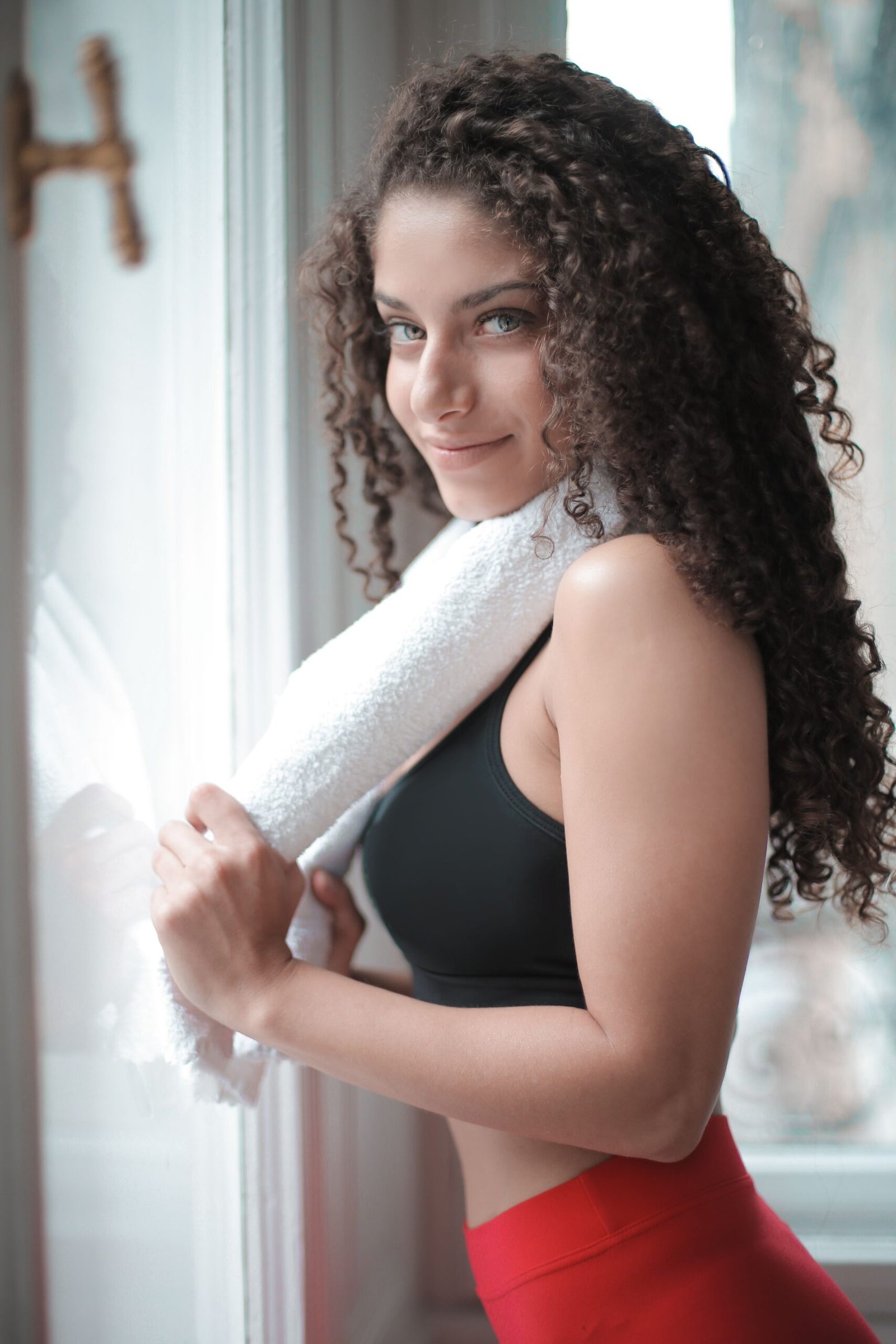
These science-backed ingredients help protect your scalp, support growth, and defend against environmental stress.
Antioxidants have long been celebrated in skincare for their ability to protect against environmental damage and signs of aging. Now, these powerful ingredients are gaining attention in haircare for many of the same reasons.
From pollution and UV exposure to everyday styling stress, hair and scalp are constantly exposed to factors that can weaken strands over time. Antioxidants help combat oxidative stress—the process that creates unstable molecules known as free radicals, which can contribute to damage at a cellular level.
While a nutrient-rich diet remains essential for overall health, incorporating antioxidant-rich ingredients into your haircare routine may provide additional support for stronger, healthier-looking hair.
We spoke with dermatology experts to explore the antioxidants that can make the biggest difference for your scalp and strands.
Why Antioxidants Matter for Hair Health
Oxidative stress is one of the hidden contributors behind many common hair concerns, including dryness, breakage, weakened strands, and changes in hair appearance over time.
“Antioxidants help neutralize free radicals that can damage hair cells,” explains dermatology experts. By reducing the impact of environmental stressors, these ingredients can help maintain a healthier scalp environment and support the overall condition of the hair fiber.
Think of antioxidants as protective tools: they do not replace healthy hair habits, but they help strengthen your routine by defending against daily aggressors.
Vitamin A: Supporting Scalp Balance and Hair Strength
Vitamin A is widely recognized in skincare through its retinoid family, but it also plays an important role in maintaining healthy hair.
This nutrient supports:
- Normal scalp function
- Hair growth cycles
- Moisture balance
- Stronger strands
Adequate vitamin A levels can help prevent hair from becoming overly dry and fragile. However, balance is essential—while deficiency may affect hair health, excessive intake can have the opposite effect.
Natural sources include:
- Sweet potatoes
- Carrots
- Leafy greens
When it comes to vitamin A, more is not always better. Consistency and proper levels matter most.
Vitamin C: The Collagen-Supporting Essential
Vitamin C is best known for its brightening and antioxidant benefits in skincare, but it also contributes to healthier-looking hair.
One of its key roles is supporting collagen production, which helps maintain the structural strength of hair. It also assists the body in absorbing iron, a mineral closely connected to healthy hair growth.
Vitamin C may be especially beneficial for those concerned with:
- Weak strands
- Hair thinning
- Dull appearance
- Scalp inflammation
Beyond dietary sources like citrus fruits, peppers, and vegetables, vitamin C can also appear in haircare formulas designed to protect against environmental stress.
Vitamin E: The Shine-Enhancing Antioxidant
Vitamin E is often considered a classic beauty ingredient—and for good reason.
Known for its antioxidant properties, vitamin E helps support scalp circulation and protect hair from oxidative damage.
It may be helpful for individuals experiencing:
- Dry scalp
- Dull hair
- Fragile strands
- Lack of softness
Found naturally in foods such as nuts, seeds, and avocados, vitamin E is also commonly used in hair oils and scalp treatments.
Its biggest beauty benefit? Supporting a healthier-looking finish with improved shine and smoothness.
Polyphenols: Plant-Based Protection Against Environmental Damage
Polyphenols are powerful antioxidants found in many plant-based ingredients, including:
- Green tea
- Olive oil
- Dark chocolate
- Certain fruits
These compounds are known for their protective properties and may help support scalp health by reducing oxidative stress.
In haircare, polyphenols are valued for their potential to:
- Protect against environmental damage
- Support hair vitality
- Maintain scalp balance
- Help preserve the appearance of youthful-looking hair
Green tea extract, in particular, is frequently used in scalp-focused products due to its antioxidant profile.
Selenium: A Scalp Health Essential
Selenium is a trace mineral that plays an important role in antioxidant defense and overall cellular function.
For hair health, selenium may be especially valuable for maintaining a balanced scalp environment.
It is commonly associated with:
- Supporting scalp comfort
- Reducing visible flaking
- Managing irritation
Dietary sources include:
- Brazil nuts
- Seafood
- Eggs
Selenium sulfide is also a well-known ingredient in targeted scalp treatments, particularly those designed for dandruff concerns.
Niacinamide: The Scalp Barrier Booster
Niacinamide, also known as vitamin B3, has become a skincare favorite—and it is now making its way into advanced haircare formulas.
This multifunctional ingredient helps support:
- The scalp barrier
- Moisture retention
- Reduced irritation
- Overall scalp comfort
A healthy scalp creates the ideal foundation for healthy-looking hair.
Niacinamide also contributes to keratin production, a key structural component of the hair shaft, making it a versatile ingredient for improving the appearance of strength and shine.
How to Add Antioxidants Into Your Haircare Routine
The best antioxidant routine does not require using every ingredient at once.
Instead, focus on your individual needs:
For dryness and dullness:
Look for vitamin E, vitamin A, and nourishing oils.
For scalp concerns:
Consider ingredients like selenium and niacinamide.
For environmental protection:
Polyphenols and vitamin C can help support antioxidant defense.
For overall maintenance:
A balanced diet combined with antioxidant-rich hair products can provide long-term support.
The Final Word
Healthy hair is not only about styling—it begins with protection.
Antioxidants provide an important layer of defense against oxidative stress while supporting scalp wellness, moisture balance, and stronger-looking strands.
Whether through nutrient-rich foods, shampoos, conditioners, or leave-in treatments, incorporating antioxidant ingredients into your routine can help create a more resilient foundation for beautiful hair.
The future of haircare is moving toward prevention: protecting strands before damage appears and treating the scalp as the starting point of healthier hair.