Simple swaps and smarter habits to help manage cravings
By Kaitlyn McLintock
Published on February 17, 2026
Key Takeaways
- Reducing added sugar does not mean eliminating naturally occurring sugars from fruits, vegetables, and dairy.
- Protein, fiber, and healthy fats can help stabilize blood sugar and reduce cravings throughout the day.
- A gradual approach to lowering sugar intake is often more sustainable than cutting it out completely.
Giving up sugar can feel intimidating, but creating a lower-sugar lifestyle doesn’t have to mean strict rules or endless restrictions.
Instead of eliminating every sweet food overnight, nutrition experts recommend focusing on reducing added sugars while building balanced meals that keep you satisfied. The goal is not deprivation—it’s creating eating habits that support steady energy, fewer cravings, and better overall nutrition.
We spoke with registered dietitians and wellness experts to learn how to reduce sugar intake throughout the day, what foods can help control cravings, and which hidden sources of sugar are worth watching.
What Is a Sugar Detox?
A sugar detox generally means reducing or removing added sugars from your diet for a specific period of time.
According to registered dietitian Elizabeth Adrian, the first step is understanding the difference between added sugars and naturally occurring sugars.
Added sugars are commonly found in:
- Soda and sweetened beverages
- Candy and desserts
- Packaged snacks
- Sweetened cereals
- Many processed foods
Natural sugars, on the other hand, occur naturally in foods like:
- Fruits
- Vegetables
- Whole grains
- Dairy products
Unlike added sugars, these foods provide important nutrients such as fiber, vitamins, minerals, and antioxidants, so completely removing them is generally not recommended.
A balanced approach focuses on reducing unnecessary added sugars while continuing to enjoy nutrient-rich whole foods.
Why Do We Crave Sugar?
Sugar cravings are not simply a matter of willpower.
Research suggests that sugar activates reward pathways in the brain, creating feelings of pleasure and encouraging us to seek more. Historically, this response helped humans find quick sources of energy when food was limited. Today, however, sugary foods are widely available, making those cravings harder to ignore.
“Your body is designed to respond to sugar,” explains holistic health coach Darby Jackson. “The goal is to create habits that help regulate those cravings through balanced nutrition.”
Rather than quitting sugar suddenly, many experts recommend gradually reducing intake by:
- Reading nutrition labels
- Choosing fewer processed foods
- Swapping sugary snacks for protein-rich options
- Reducing sweetened drinks
- Eating balanced meals consistently
A sustainable approach is usually more effective than strict restriction, which can sometimes lead to overeating later.
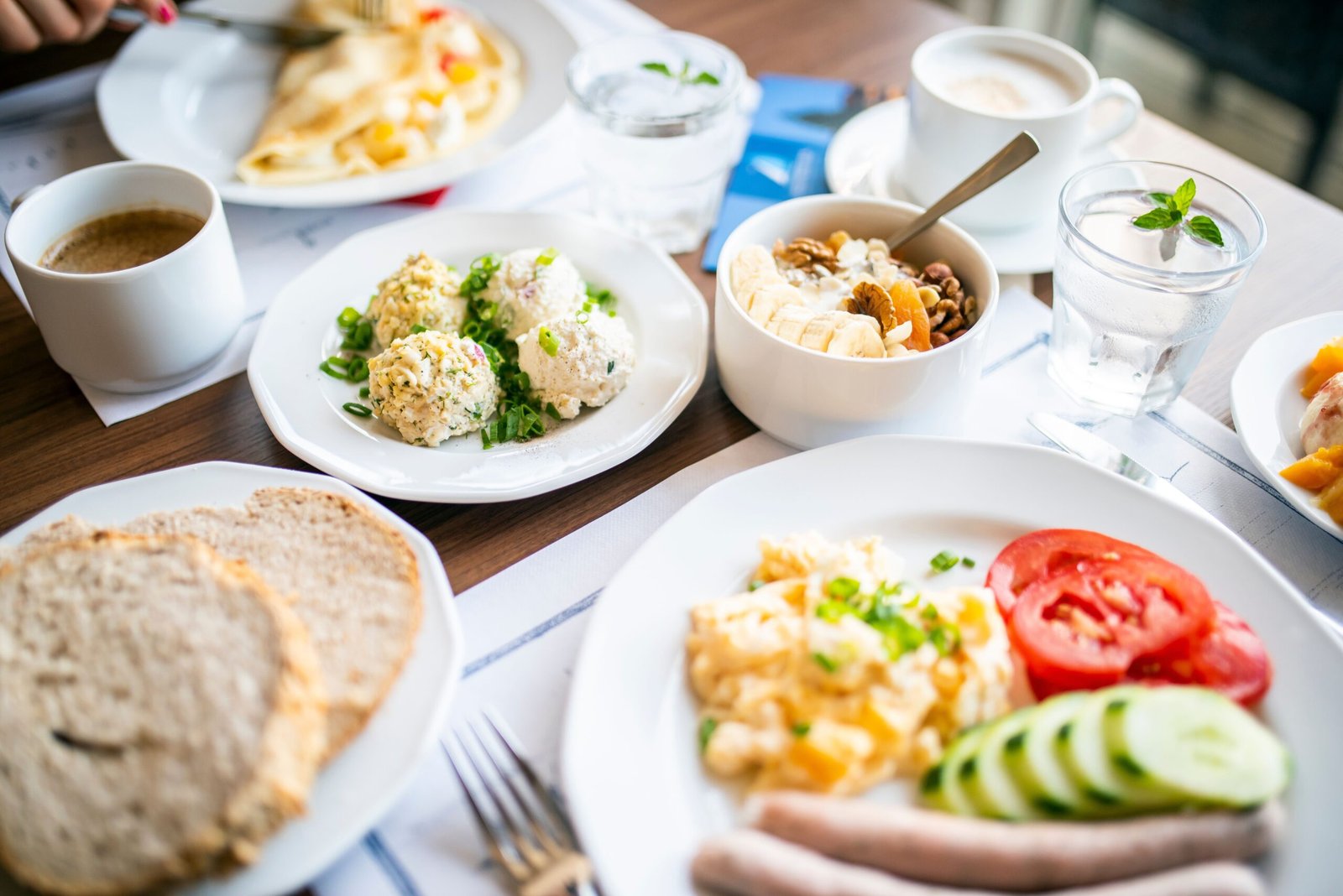
Breakfast: Start With Protein
A balanced breakfast can set the tone for your entire day.
Experts recommend prioritizing protein and healthy fats in the morning because they help keep you full and support stable energy levels.
Try:
Veggie Omelet
Combine:
- Eggs
- Leafy greens
- Vegetables
- A small amount of cheese
Greek Yogurt Parfait
Choose:
- Plain unsweetened yogurt
- Nuts or seeds
- Fresh berries
- Low-sugar granola
Simple Egg Breakfast
Whole eggs cooked with a healthy fat source provide protein and nutrients that can help reduce mid-morning cravings.
Starting your day with a protein-focused meal can make it easier to avoid reaching for sugary snacks later.
Lunch: Build a Balanced Plate
The ideal lower-sugar lunch includes three key components:
Protein + Fiber + Healthy Fat
A nutrient-rich salad is an easy option.
Try combining:
- Mixed vegetables
- Lentils, beans, or quinoa
- Avocado
- Olive oil dressing
- Lean protein
These foods digest more slowly, helping maintain steady energy throughout the afternoon.
Hydration also plays an important role. Sometimes what feels like a sugar craving is actually thirst or fatigue.
Before reaching for a sweet snack, try drinking water and giving yourself a moment to assess whether you are truly hungry.
Dinner: Focus on Whole Foods
Dinner is another opportunity to create a balanced meal without relying on refined carbohydrates or sugary sauces.
A simple formula:
Vegetables + Protein + Healthy Fat + Optional Whole Grain
Example:
- Roasted vegetables
- Wild salmon
- Avocado
- Brown rice or quinoa
Vegetables such as:
- Brussels sprouts
- Cauliflower
- Broccoli
- Sweet potatoes
- Spinach
provide fiber and nutrients while helping meals feel satisfying.
The goal is not to eliminate carbohydrates completely, but to choose higher-quality sources more often.
Smart Snacks to Manage Cravings
Snacking is not required for everyone, but if hunger appears between meals, choosing the right foods can help prevent sugar crashes.
Dietitian-recommended options include:
Hard-Boiled Eggs
Eggs provide protein and essential nutrients while containing no added sugar.
Pair them with:
- Dijon mustard
- Fresh vegetables
- Seasonings
Green Smoothie
Blend:
- Spinach
- A small amount of pineapple
- Half an avocado
- Unsweetened plant-based milk
The combination of natural sweetness, fiber, and healthy fats creates a more balanced snack.
Greek Yogurt With Berries
Plain yogurt provides protein, while berries add antioxidants and natural sweetness.
Cottage Cheese and Whole-Grain Crackers
This combination offers:
- Protein
- Fiber
- Long-lasting energy
Edamame
A convenient source of plant-based protein and fiber.
Vegetables With Hummus
Try:
- Carrots
- Celery
- Zucchini
- Radishes
paired with hummus or seasoned Greek yogurt.
Can You Eat Fruit During a Sugar Detox?
Yes.
Fruit contains natural sugar, but it also provides fiber, vitamins, minerals, and antioxidants.
The key is portion awareness and pairing fruit with protein or healthy fats.
Good options include:
- Berries
- Apples with nuts
- Citrus fruits
Adding nuts or seeds can help slow digestion and prevent rapid blood sugar changes.
A useful tip: choose whole fruit instead of juice, since juice removes much of the fiber and can deliver a concentrated amount of sugar quickly.
Hidden Sugars to Watch For
Many foods that appear healthy can contain surprising amounts of added sugar.
Common examples include:
Granola and Energy Bars
Some products contain as much sugar as candy bars. Always check ingredient lists and nutrition labels.
Bread and Crackers
Certain packaged breads use ingredients like:
- Malt syrup
- Honey
- Added sweeteners
even when they do not taste sweet.
Flavored Yogurts
Choose plain yogurt and add your own fruit when possible.
Alcohol
Alcohol can contain significant calories and hidden sugars. It may also lower your ability to make mindful food choices.
Possible Side Effects of Reducing Sugar
A sudden reduction in sugar intake may cause temporary symptoms, including:
- Fatigue
- Headaches
- Low energy
- Irritability
- Strong cravings
For many people, gradually reducing added sugar is easier to maintain.
Instead of removing everything at once, try:
- Replacing sugary drinks first
- Reducing desserts gradually
- Cooking more meals at home
- Increasing protein intake
Long-term consistency matters more than short-term perfection.
The Final Takeaway
Reducing sugar does not require an extreme diet overhaul.
The most effective approach is building balanced meals that include protein, fiber, healthy fats, and nutrient-rich whole foods. By making small changes—from a protein-packed breakfast to smarter snack choices—you can naturally reduce cravings and create healthier habits.
A lower-sugar lifestyle is not about never enjoying something sweet. It’s about making intentional choices that help you feel energized, satisfied, and in control.